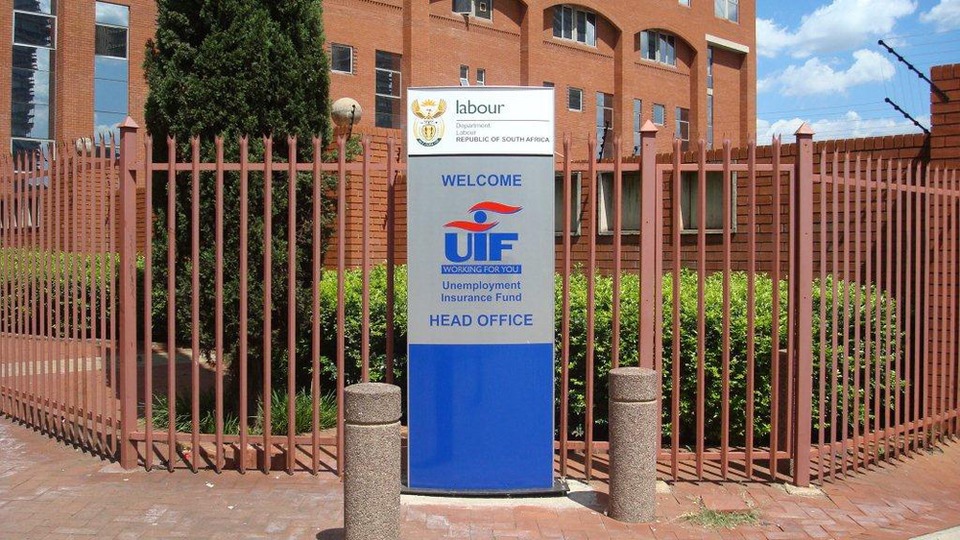
Every payslip in South Africa carries a small but important deduction: 1% of an employee’s remuneration is paid to the Unemployment Insurance Fund (UIF), matched by a further 1% from the employer, subject to the prescribed contribution ceiling. The UIF is not charity or a favour from government. It is contributory social insurance, funded by workers and employers so that temporary income support is available when unemployment, maternity or parental leave, illness, or the death of a contributing breadwinner occurs.
This makes the central question urgent: is the safety net working? The answer matters to contributors, employers and the wider economy. Employees carry the financial risk of delayed benefits, employers carry the administrative burden of compliance and may face pressure to provide support when UIF payments are late, and households absorb the consequences when income protection fails at a moment it is needed most.
The UIF differs from social assistance, which is generally tax-funded and provided on the basis of need. It is social insurance: protection against defined risks based on participation in and contribution to the scheme. The Unemployment Insurance Act of 2001 established the Fund, while the Unemployment Insurance Contributions Act of 2002 regulates monthly contributions. In theory, these contributions create a shared pool of protection. In practice, that protection is limited and tightly defined.
The UIF is generally available to workers employed for at least 24 hours a month. A contributor earns one day of benefit credit for every four days worked and contributed, up to a maximum of 365 credit days, which requires approximately four years of contributions. Once that ceiling is reached, further contributions do not create additional credits. The Fund is therefore not an individual savings account in which payments accumulate indefinitely. It is a collective insurance scheme: contributions buy access to protection, subject to the Fund’s rules, credit system and prescribed limits.
Benefits are also not intended to replace a contributor’s full salary. Because both contributions and benefits operate within a prescribed remuneration ceiling, a significant gap can arise between what contributors expect and what is actually paid, particularly for higher earners. These limits do not diminish the importance of the UIF. They make timely payment more important: a benefit received months late may settle a claim, but it does little to protect a household during the period of financial distress for which the insurance exists.
The gap between the UIF as an insurance mechanism and the experience of accessing it is often stark. Claims may remain inactive for months while verification drags on. Claimants can receive inconsistent information from call centres, labour offices and online platforms. Documents may have to be submitted repeatedly, while payment amounts are not clearly explained until money appears in a bank account.
Poor digital systems can compound these problems. Although claims may be submitted electronically, significant parts of the process remain manual. Portals can become little more than upload points, while officials still review information separately and request documents already provided. Technology should reduce barriers, not digitise entry into a fragmented administrative process.
The Fund’s technological challenges further expose the need for reform. UIF information systems do not always share data effectively, contributing to repeated submissions, uFiling glitches, file-size limitations and poor integration. Disruptions to online services have also forced people back to manual processes and queues. For organised business, modernisation cannot merely mean replacing one portal with another. It must deliver integrated systems, transparent claim tracking, fewer repeated document requests and timely, accurate payment.
The Auditor-General has repeatedly flagged weak internal controls and poor accountability, while Parliament has questioned the limited progress in addressing longstanding weaknesses. The UIF has received qualified or disclaimer audit opinions every year on record since at least 2018/19 through to 2024/25, meaning significant aspects of its financial reporting could not be fully verified.
These are not abstract concerns. The UIF is an insurance pool built from monthly contributions by employers and employees. Contributors have a legitimate interest in knowing that those funds are safeguarded, properly managed and available to meet lawful claims. Weak controls and unreliable records undermine confidence in both individual claims administration and the integrity of the UIF itself.
Against this background, the government’s proposal to restructure the UIF into an independent public entity may create an opportunity for reform, but institutional redesign is only part of the answer. Greater autonomy will not, on its own, resolve weak governance, poor accountability, delayed digital modernisation or service-delivery failures. Reform must be judged by operational outcomes: faster claims processing, stronger oversight, better financial management, integrated technology and clearer stakeholder accountability.
The UIF remains one of South Africa’s most important income protection mechanisms. Precisely because it is funded through contributions, its legitimacy depends on its ability to perform when contributors need it. The expectation is simple: employers and employees contribute while people are earning so that support is available when a qualifying loss of income occurs.
Contributors are not asking for a favour when they submit a legitimate claim. They are asking for the insurance system they and their employers have funded to work when the insured risk materialises. If the Fund cannot provide timely, transparent and accountable support, the deduction on the payslip begins to feel less like protection and more like a promise deferred. The real test of reform is whether the next worker who needs the UIF can access the protection they have paid for with dignity, clarity and speed.